 Por Gloria Muñoz y Adazahira Chávez.
El pueblo antes fantasma de Real de Catorce cobra vida. En 1990, con la salida de las mineras que estuvieron asentadas por más de 150 años, se fueron casi la totalidad de sus habitantes. Llegaron a poblarlo menos de 500 personas, pero hoy son mil 300 que dependen en su mayoría del comercio y del turismo. Aquí, dice una de las lugareñas, “nadie se murió de hambre cuando se fueron las minas”.
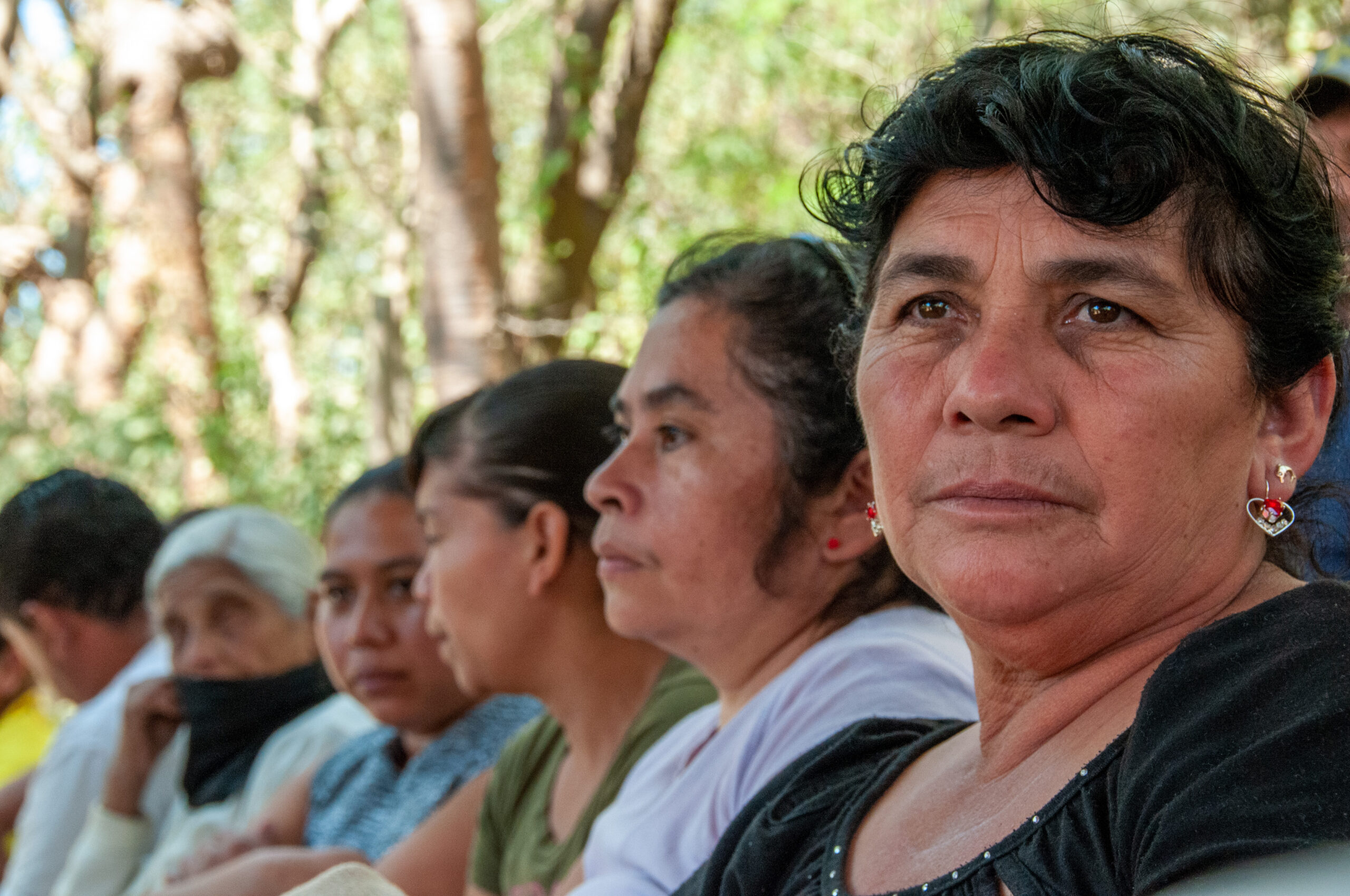
Los cinco proyectos mineros que actualmente amenazan el sitio sagrado de Wirikuta (140 mil 212 hectáreas de los municipios de Villa Ramos, Charcas, Villa de Guadalupe, Matehuala, Villa de La Paz y Catorce), pudieron ser ventilados en una reunión en la que los pobladores por vez primera confrontaron sus posturas. A favor y en contra de las minas se manifestaron unos y otros, aunque hubo una abrumadora mayoría de habitantes del altiplano potosino que rechazaron los proyectos por los efectos nocivos a la salud y por la contaminación de los mantos freáticos.
La oposición más decidida, sin embargo, sigue siendo la del pueblo wixárika. Sin ser pobladores de Wirikuta, pues viven en los estados de Jalisco, Nayarit y Durango, peregrinan a este lugar sagrado desde hace 2 mil años. Para ellos, Wirikuta es el origen del Universo y hasta aquí llegan en busca del jícuri (peyote), cactus sagrado que los wixáritari (huicholes) consumen para recibir el “don de ver”.
Las mineras, señalan los pobladores del desierto, dueños de las tierras de la región, les han dicho que los huicholes les quieren quitar sus tierras, todo con el fin de confrontarlos con este pueblo indígena y convencerlos de los “beneficios” de las minas.
Rogelio Vázquez Menjara, de la comunidad de San Sebastián, Mezquitic, Jalisco, integrante del Consejo Regional Wixárika, afirma en entrevista con Desinformémonos que “esto no es cierto”. Nuestro pueblo, dice, “no se apropiará de esas tierras. Simplemente se trata de que en la mayor parte que lo que está aquí, en la vegetación, están las deidades que nos heredaron nuestros ancestros. Es lo único que quiere reconocer el wixárika”.
En la región no hay lugareño que no sepa de las minas, pero las posiciones a favor y en contra de los pobladores del desierto no habían podido ventilarse abiertamente, cara a cara. Enviados de la minas se han encargado de sembrar la desconfianza entre ellos y, principalmente, entre ellos y los wixárikas.
Sebastián Carrillo, presidente ejidal de Bancos de San Hipólito y también miembro del Consejo Regional Wixárika, dice de manera clara y concisa: “Nosotros no venimos a quitarles ni un pequeño terreno. Hay un reconocimiento de que es suyo”. Los aplausos de los asistentes al foro informativo lo interrumpen y echan por tierra el divisionismo que se quiere sembrar. “Nos quieren poner a pelear, pero les hacemos la invitación de que caminemos juntos”, finaliza Carrillo.
Entre la Sierra de Catorce y el altiplano potosino se yergue Wirikuta, territorio que se ha empezado a dividir en concesiones mineras. Más del 78 por ciento del altiplano potosino esta concesionado. Sobre las 140 mil hectáreas de Wirikuta pesan cinco proyectos mineros; y se sabe que existen nuevas solicitudes de concesiones.
“Vienen los concesionarios, se agarran del gobierno federal y estatal y hacen a un lado los derechos de los ejidatarios. No estoy en contra del empleo minero, ni a favor. Hace 23 años le di lectura a un estudio y la Sierra de Catorce es muy rica en agua y minerales, abarca hasta el ejido del Astillero. Es muy peligroso barrenar las aguas, porque se contaminan y se desvía a otros puntos”, señala uno de los lugareños de Catorce.
“Al rato no vamos a poder darle agua sana a nuestros animales y no va a haber nada en el campo. Tomamos agua sana de los arroyos, de la lluvia, es agua sana pero con los químicos ya no lo va a estar”, dice Oscar Tovar, de la comunidad Ojo de Agua.
Entre las personas que se declaran a favor de la minería, una señora declara: “Si no hay trabajo no hay desarrollo. Si no es minería busquemos otras alternativas, pero Catorce siempre ha sido cien por ciento minero”. Otras más asienten con el argumento único de la fuente de trabajo, pues “aquí la gente no gana”.
Su argumento es refutado con el dato de que de las 3 mil 100 personas afectadas por la minería, sólo 166 personas podrán aspirar a que las contraten, lo cual, evidentemente, no resuelve el problema de falta de empleo.
Y en cuanto a la afirmación de que con las minas vendrá el progreso y las fuentes de empleo; y que si no las aceptan “se morirán de hambre”; Felipe Díaz, guía de turistas catorceño, afirma que cuando se dio el auge minero en Real “todo el mundo queríamos entrar a la mina porque pensamos que era lo máximo. En 1990, cuando se van, se piensa que Real va a morir, pero en 1991 empieza a renacer, porque aquí hasta las piedras valen”.
Díaz se refiere a las 17 películas que se han filmado en Real de Catorce, al incremento de los hoteles (actualmente son 33); a los 150 caballos en renta; a la llegada del teléfono convencional y al celular. Todo esto, dice, “va a seguir floreciendo, pero si se aceptan las minas dentro de 100 años no vamos a estar nadie”. La tierra, continúa, “cobra facturas; el minero se muere rápido”.
En entrevista con Desinformémonos, Arturo Tristán Villanueva, comerciante de artesanías y fotógrafo nacido en Real de Catorce hace 60 años, relata que sus conocidos que trabajaron en las minas “fallecieron a causa de enfermedades de la mina. Es una tristeza, por eso no conviene que esta mina canadiense venga a interrumpirnos cuando hay alternativas para sobrevivir de otra manera”.
Tristán Villanueva cuenta que hace un año “estos señores de la mina vinieron a tratar de dividir al pueblo, a través de ingenieros mexicanos de la compañía, porque a mucha gente le dieron trabajo y a otros no. Contrataron a unas 50 personas para hacer limpieza y mucha gente piensa que de esa manera se van a mantener. Un poquito se dividió el pueblo porque sí necesitamos fuentes de trabajo, pero no de esa manera”.
Los de la compañía, advierte, “dan pagos a sus empleados (150 pesos diarios) para que convenzan a la gente de los otros lugares: los engañan porque les dicen que los huicholes les van a quitar sus tierras a los campesinos, y eso es mentira. Lo hacen para que la gente se voltee contra los huicholes y contra los que no quieren la minería”.
“Belenes”, también nativo de Real de Catorce pero asentado en San Luis Potosí, cuenta por su parte que sus abuelos también fueron mineros “y sufrieron las consecuencias de aspirar tantos minerales y gases. Fallecieron por la contaminación en los pulmones. En esos años la manera de extraer el material era más sencilla, y hoy ya no es así. Hoy será aún más peligroso”.
Y justo a los peligros se refiere Pedro Roquero Tejeda, profesor en la Facultad de Química de la Universidad Nacional Autónoma de México (UNAM): “Las minas operan durante un cierto periodo de tiempo y luego se van. Quedan siempre residuos, muchas veces tóxicos, y emplean productos tóxicos durante la explotación. En México hay ecosistemas que pueden amortiguar una explotación minera, y hay otros que no: Wirikuta es uno de esos que no pueden. Es un lugar muy pequeño, con una riqueza natural enorme, y si explotamos Wirikuta, se acabó”, sentencia.
El experto advierte que muchas veces los efectos se ven después de que la mina se fue, como es el caso de La Paz: “La mina cerró en los años sesenta, y en los años noventa nos empezamos a dar cuenta de que había un foco de contaminación por arsénico”.
En Real de Catorce, explica Roquero Tejeda, “los residuos sólidos principales serán arsénico y plomo, y luego están los líquidos que se pueden infiltrar a los mantos freáticos, como cianuro, carbinoles, teofosfinatos y cosas por el estilo. El cianuro sí es mortal, y el problema con los otros es que no existen pruebas clínicas de toxicología. En el caso de los carbinoles se sabe que han causado cáncer en ratas de laboratorio. El cianuro puede matar o causar lesionas graves en muy poco tiempo”.
En el caso del arsénico, el daño a las personas y animales es en el hígado, riñones y pulmones; hay algunas plantas que pueden acumular arsénico, pero hay otras que no lo aguantan y se mueren.
El proyecto minero en Real de Catorce, el de First Silver, contempla la explotación de plomo, plata y zinc. “El proyecto Universo será una devastación total pues es de tajo a cielo abierto para extraer oro. Como el oro es un metal noble, es muy difícil arrancarlo de la roca y por eso se usan cianuros. Hay casos de proyectos similares en otras partes de la República y se puede esperar más o menos lo mismo, pero el problema aquí será que se acabó Wirikuta, se acabó esta zona de alta diversidad biológica”, insiste el profesor universitario.
Este lugar, señala con optimismo, “es la esperanza. Real de Catorce es el único lugar donde se ha podido frenar un proyecto minero por varios años, y tiene que ver con que es un sitio sagrado de los wixáritari, con que la gente está empezando a informarse y a reaccionar, pero es un caso único”. Hasta ahora.
Gloria Muñoz y Adazahira Chávez son, respectivamente, directora y editora de desinformémonos.org, donde este articulo se publicó originalmente. Ambas colaboran con el Programa de las Americas www.americas.org/es
Foto: desinformémonos.org