
Author: Raúl Zibechi

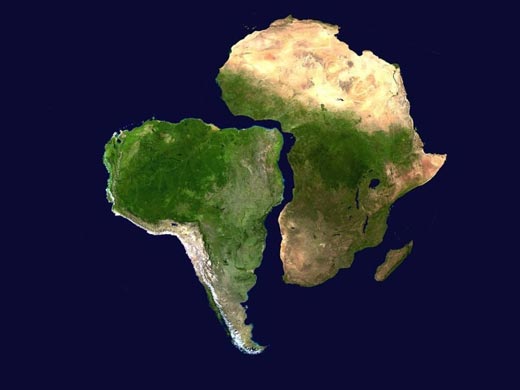
La seguridad del Atlántico Sur

January 22, 2013

En un mundo cada vez más multipolar, los países sudamericanos y africanos del Atlántico Sur dieron un gran paso para fortalecer la seguridad y la cooperación, previniendo la siempre potencial intervención de potencias extra-regionales.

Rio de Janeiro: De la Ciudad Maravillosa a la Ciudad Negocio

December 21, 2012

La realización de varios megaeventos es la excusa perfecta para el masivo desembarco del capital especulativo en Rio de Janeiro. La “destrucción creativa” genera tanto entusiasmo entre los empresarios y las clases altas como angustias entre los pobres que no tienen más alternativa que resistir.

Colombia: Dismantling a Half-Century of Conflict

December 13, 2012

The negotiations between the government and the guerrilla forces are seen by a large part of the Colombian public as a good opportunity to seal a peace deal. Many believe that the hour has come and that the main actors in the conflict will not let this opportunity escape. The reality, however, is much more complicated.

Colombia: Desmontar un conflicto de medio siglo

November 23, 2012

La negociaciones entre el gobierno y la guerrilla son percibidas por la mayor parte de los colombianos como una buena oportunidad para sellar la paz. Muchos creen que ha llegado la hora y que los actores del conflicto no van a dejar escapar la oportunidad. El escenario es, sin embargo, bastante más complejo.

Venezuela joins Mercosur: A New Strategic Alliance

October 26, 2012

Venezuela’s entry into Mercosur has had interpretations centered on the economic and commercial aspects, but the most important is a geopolitical and geo-energetic matter. The region becomes a food and hydrocarbon power pointing to the Caribbean. On July 31 when the entry of Venezuela into Mercosur was decided in Brasilia, presidents Dilma Rousseff and Cristina Fernández emphasized the importance of the new Mercosur in the framework of the world crisis that is summed up in the birth of a “new pole of power.”

Uruguay rejects “the war on drugs”

October 21, 2012

The government of President José Mujica achieved its main objective when it proposed legalizing marijuana: to spark a broad national debate regarding drugs, prohibitionist policies, and the repressive measures used to date. The motives set out to explain the proposed legislation criticize prohibitionist policies for aggravating the drug problem and establish assert “users not be stigmatized or treated under penal law, but instead create conditions to work with them and with society as a whole.”

Double defeat for the White House and the Pentagon

October 21, 2012

In less than a week the foreign policy of the U.S. suffered two defeats on two closely related issues: the triumph of Hugo Chávez and the failure to impose the Pentagon’s objectives at the Tenth Conference of Ministers of Defense.

Doble derrota de la Casa Blanca y el Pentágono

October 12, 2012

En menos de una semana la política de los Estados Unidos hacia América Latina sufrió dos derrotas en dos temas estrechamente asociados: el triunfo de Hugo Chávez y la imposibilidad de imponer los criterios del Pentágono en la X Conferencia de Ministros de Defensa.

Uruguay rechaza la “guerra contra las drogas”

September 19, 2012

El gobierno del presidente José Mujica consiguió su principal objetivo cuando propuso la legalización de la marihuana: promover un amplio debate nacional sobre las drogas, las políticas prohibicionistas y represivas ensayadas hasta ahora.