Category: Land

In Mexico City, First an Earthquake, Then a Social Uprising

September 29, 2017

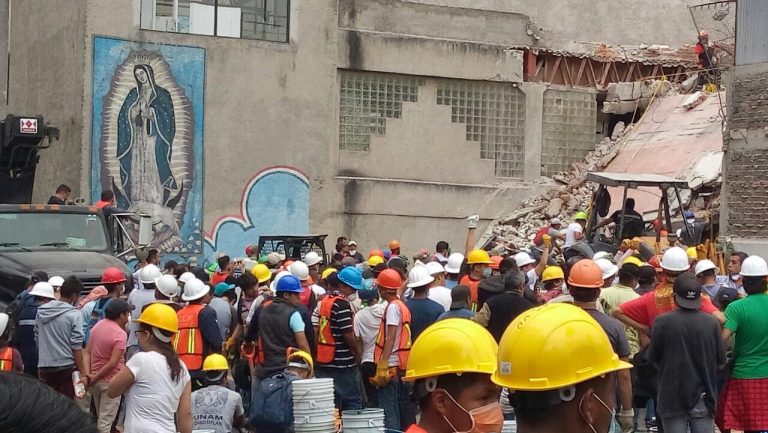
Ten days after the earthquake that shook Mexico City, the official death toll is 358 dead throughout the country, with 217 in Mexico City alone. Thousands of people are coming to the aid of strangers, and an almost-forgotten sense of community has arisen in one of the world’s largest cities.

“What do we do now?” Isthmus of Tehuantepec After the Earthquake

September 26, 2017

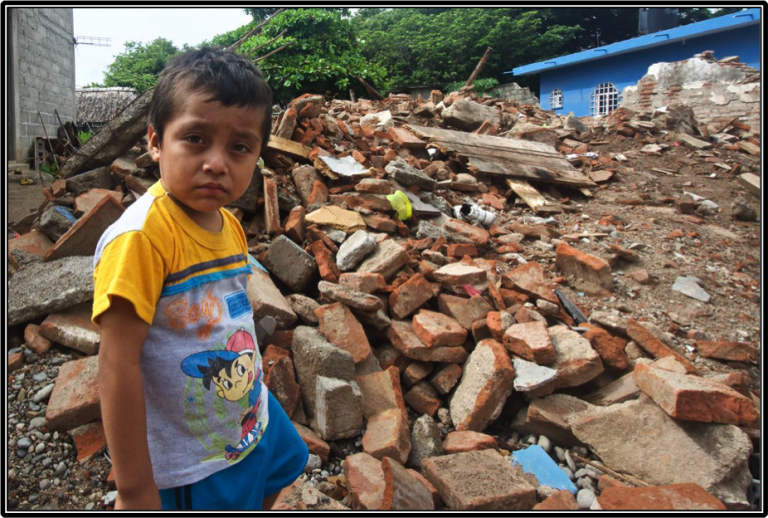
Photographer Jonathan Treat visited the Istmo region days after the earthquake and shares with Educa this photo reporting about the people´s struggle for survival in the communities of San Mateo del Mar, Matías Romero, Rio de Pachiñe, Santa María Xadani and Las Flores.

Case of Murdered Mexican Environmental Activist Moves to International Sphere

July 1, 2017

Knowing that his life was in danger, Abarca began to raise his public profile. In July 2009, he traveled to the Canadian Embassy in Mexico City to deliver a message about Blackfire’s conduct and the threats to his person. A video from that visit shows him telling an embassy representative that Blackfire is using its employees as shock troops for violent attacks on activists.

Early Dakota Access Pipeline Spill Angers Tribal Chairs

May 18, 2017

Tribal chairmen decried the newly finished Dakota Access Pipeline when reports surfaced that its first crude oil spill in South Dakota occurred even before the private infrastructure project went into service.

El Salvador, First Latin American Country to Prohibit Mining

May 11, 2017

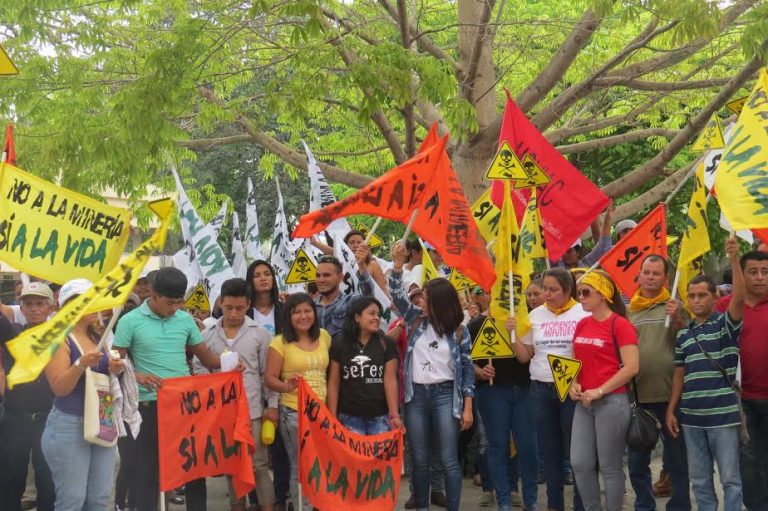
The law, which only has 11 articles, prohibits the exploration and exploitation of metals in the country by domestic or foreign companies or persons, and prohibits the use of toxic substances that endanger the health of peasant communities and the environment.

Fighting for Indigenous Rights, from the UN to Yaqui Territory and Standing Rock

November 16, 2016

The basic principle at the core of demands of indigenous peoples at Standing Rock and at Loma de Bacum has been supported internationally by two former UN Special Rapporteurs for Indigenous Rights, and recently endorsed by the current Rapporteur, Victoria Tauli Corpus. That principle states that governments must ensure that companies consult with indigenous peoples prior to launching megaprojects and was first set out in the 2007 UN Declaration on the Rights of Indigenous Peoples.

From Student Movement to Autonomous Education

November 1, 2016

The broad student movement that won Chile’s alamedas – with demonstrations of hundreds of thousands of young people and the occupation of dozens of secondary schools, demanding changes in the education system – has sedimented in the creation of some thirty self-managed education initiatives in working-class territories.

Plan Colombia, Permanent War and the NO Vote

October 17, 2016

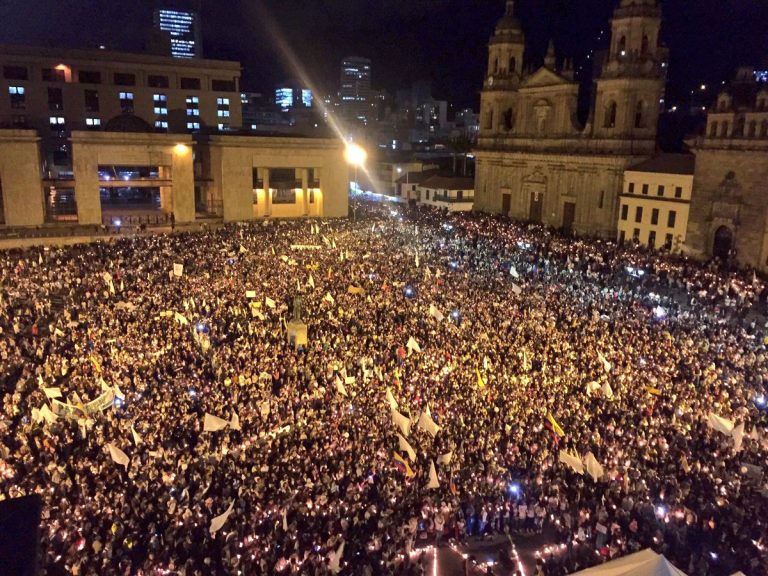
The Colombian people voted NO to peace. Or to be exact, 50.2% of 37% of the eligible population voted no. In the referendum held Oct. 2, the majority of voters decided to scuttle four years of peace talks dedicated to ending 52 years of bloodshed.