Weaving a global feminist movement for Palestine
November 28, 2023
Gaza City has been practically wiped off the map. Israeli attacks focused on hospitals, which also serve as shelters for the displaced and bombed […]
Gaza City has been practically wiped off the map. Israeli attacks focused on hospitals, which also serve as shelters for the displaced and bombed […]
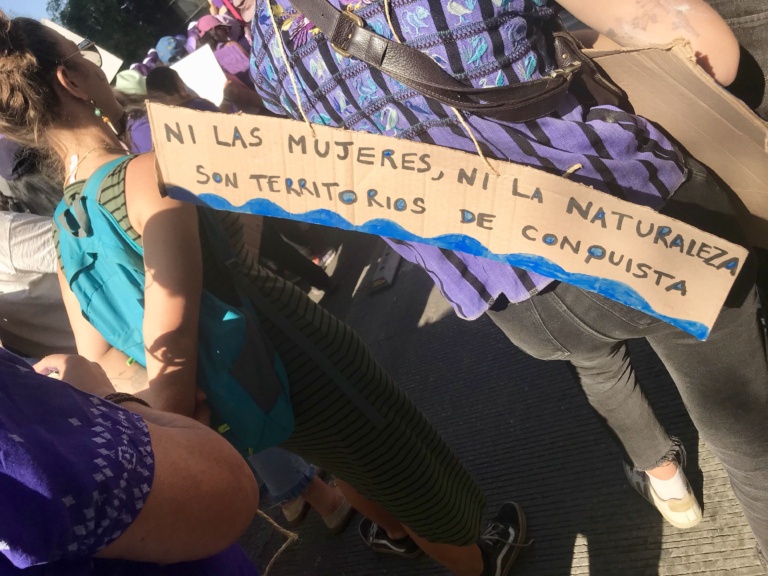
Los movimientos feministas a lo largo del mundo demandan un cese inmediato al fuego.
March 8 in Mexico is not only a show of strength and convening power for women’s movements, but also an opportunity to see how the movement is changing with the times.
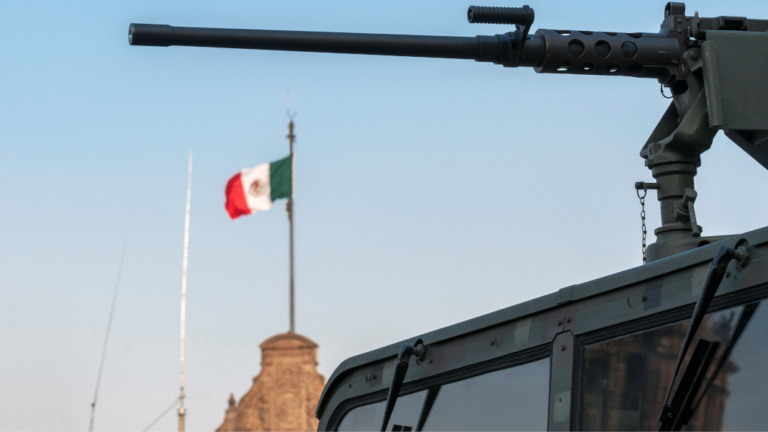
Militarization, now institutionalized in the Constitution and in practice, extended for the next six years and quite possibly forever, is not just the latest bone of contention between political parties. It is an issue that has profound implications for Mexican society, democracy, security, gender equality and human rights. It has to be analyzed within the framework of these considerations, beyond the false and hypocritical positions of the political parties.
En un hotel en el centro de São Paulo repleto de prensa internacional, los seguidores de Lula esperaban con los dedos cruzados. Los resultados de las elecciones anticipadas del 30 de octubre mostraron al presidente de extrema derecha Jair Bolsonaro con una fuerte ventaja sobre el expresidente de izquierda Luiz Inácio Lula da Silva. Eso era de esperarse, ya que los primeros resultados llegaron desde los bastiones de Bolsonaro. Pero se podía sentir el cambio de humor a medida que el conteo de votos reducía la brecha. Unos minutos antes de las 8 p. m., estallaron los vítores: Lula procedió a tomar la delantera. El recuento final de las elecciones mostró un 50.9 por ciento para Lula frente a un 49.1 por ciento para Bolsonaro.
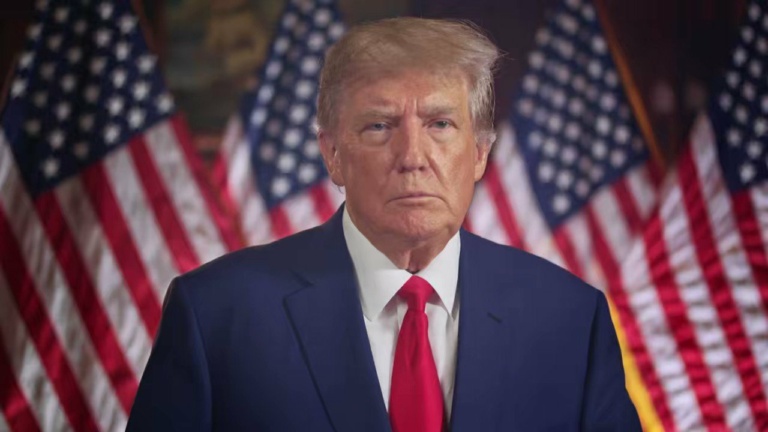
La Conferencia de Acción Política Conservadora, CPAC, organizó su último gran espectáculo de extrema derecha en México el 18 y 19 de noviembre. La reunión proporcionó una perversa y fascinante visión de las estrategias, ilusiones, mentiras y objetivos del movimiento neofascista global.
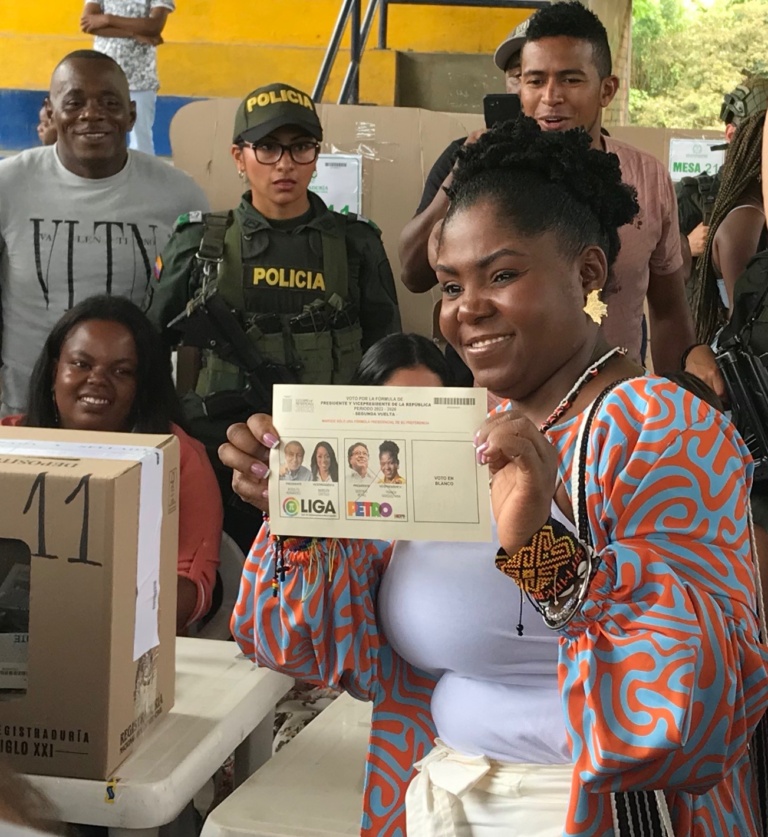
A las 8 a.m., los residentes de Suárez, un municipio en el norteño departamento de Cauca en Colombia, hacen fila desde el polideportivo lleno de cabinas de votación, hasta el retén de la policía, donde las fuerzas de seguridad controlan la entrada. Las autoridades locales me dicen que están viendo a muchas más personas que en elecciones pasadas y esperan una participación histórica. No es de extrañar. Esta es la ciudad natal de Francia Márquez, la activista ambiental y ahora, con el apoyo de millones de colombianos empobrecidos como sus habitantes, la primera vicepresidenta negra en la historia de la nación.
The news that the Mexican government had shut down operations of the elite DEA team in the country – the Special Investigations Unit (SIU) – provoked an avalanche of articles in the press, most of them defending the DEA in order to criticize the president. Hardly any of them spoke about the disastrous history of the Unit, much less about the perverse history and actions of the DEA in Mexico –and in all of Latin America. The agency has left a bloody trail of failures, incompliance with regulations, complicities and corruption in its mission to export the war on drugs as an instrument of social control and U.S. hegemony.
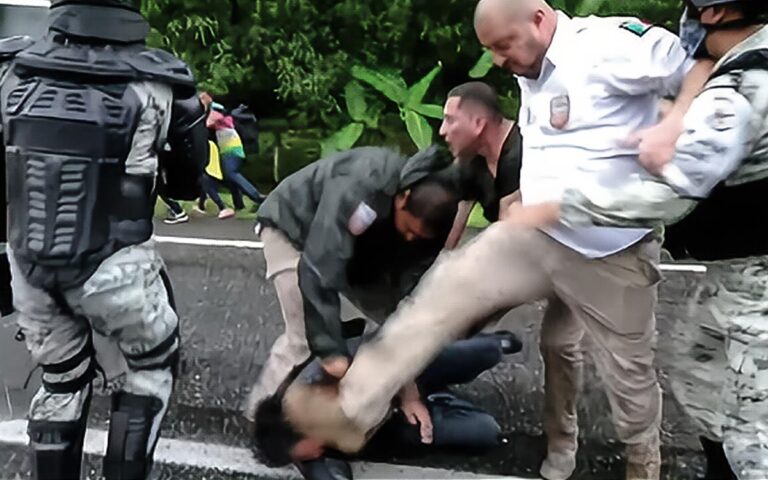
It’s a well-known scene throughout the world: migrant families marching in the streets to demand their rights and seek a better life are brutally repressed by state forces. Police wield billy clubs to attack men, women and children and enforce the message migrants and refugees have heard everywhere: “You are not welcome here”.
The brigades have unearthed hundreds of human remains and clues to the whereabouts of their loved ones, disappeared throughout Mexico. Their goal is to find them and return them to their families, and that in a context where the state and a large part of society have buried their very existence.